Found techno-poetry
Yesterday I wrote about how your brain responds to poetry. Today I'm posting some 'found poetry' I made using a neat website called Poetweet. Found poetry is a kind of poetry made up of words and passages that the writer 'finds' from other sources. Magnetic poetry could be called found poetry. I've read found poems made of road signs, newspaper articles and I heard Madhur Anand read a poem extracted from a research article.
Poetweet uses social media as the source of words and passages. It's a neat idea. The site mines your tweets for text that it combines into a short poem. I was tweeting quite a lot about NASA's Mars announcement yesterday and inevitably it came across in my tweet-poems.

Poetry and your brain
https://www.flickr.com/photos/ash-bash/2095516159/in/dateposted-public/lightbox/ I'm taking part in Writing 101: Finding Everyday Inspiration for the month of September and in October, I will be taking part in Blogging University's Writing 201: Poetry. I've managed to get some posts hammered out for Writing 101 and I'm really looking forward to the poetry course.
The taint of city lights
 Look up at the sky tonight. What will you see? If you live in a rural area, you'll probably see a the glittering of stars as faint as pinpricks. Maybe even the arch of the Milky Way. If you live in a city, however, the night sky will look very different. You'll probably see the moon. Some stars. Maybe. The reason for this major difference in the night sky is because of something called light pollution.
Light pollution is problematic for anyone interested in the night sky. Apart from the brightest objects in the heavens, nothing is a match for the sheer illuminative power of a city at night.
Look up at the sky tonight. What will you see? If you live in a rural area, you'll probably see a the glittering of stars as faint as pinpricks. Maybe even the arch of the Milky Way. If you live in a city, however, the night sky will look very different. You'll probably see the moon. Some stars. Maybe. The reason for this major difference in the night sky is because of something called light pollution.
Light pollution is problematic for anyone interested in the night sky. Apart from the brightest objects in the heavens, nothing is a match for the sheer illuminative power of a city at night.
Love changes us
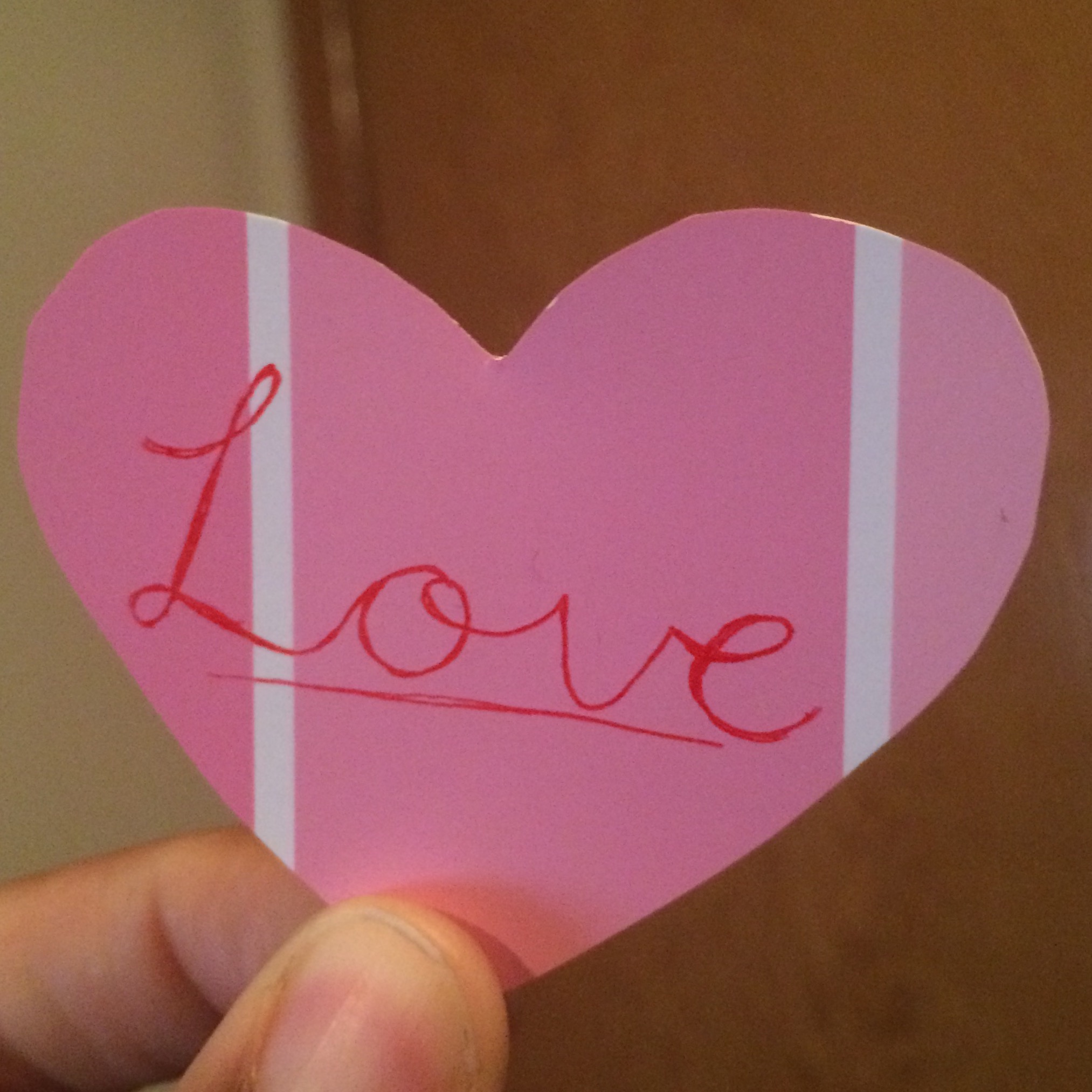 Today, my Writing 101 prompt was to be inspired by a single word from a list provided. Since my partner and I are celebrating our anniversary this month (yay us), I decided to tackle the word 'love'.
7 Science Fiction Podcasts
While finishing up my PhD, I spent a lot of time in the lab doing what I called 'robot work': pipetting tiny droplets of liquid, moving tubes, centrifuging, pipetting. In those days I got into podcasts. In particular I listened to speculative fiction podcasts. Stumbling across podcasts like PodCastle, Drabblecast, and LightSpeed Magazine was eye opening. I hadn't read a lot of short fiction and to discover that whole worlds could be constructed in less than 10,000 words was wondrous. Day 2 of Writing 101 asks that I compile a list so here is a list of some of my favourite short science fiction podcasts.