Neutrinos in a mine: SNOLAB and the Nobel Prize
Wednesday was October 21st, Alfred Nobel's birthday. In honour of the occasion and the recent announcements of the Nobel Prizes, I wanted to summarize some details surrounding the 2015 Nobel Prize for Physics which went to Dr. Takaaki Kajita and Dr. Arthur B. McDonald. The prize was awarded for their discoveries about the nature of sub-atomic particles called neutrinos.
This topic is particularly dear to me because, in 2013 I had to opportunity to visit SNOLAB where Dr. McDonald did his ground-breaking research. 
Great Scott!
At the beginning of the year, I posted this to my Facebook feed and Back to the Future Day has finally arrived.

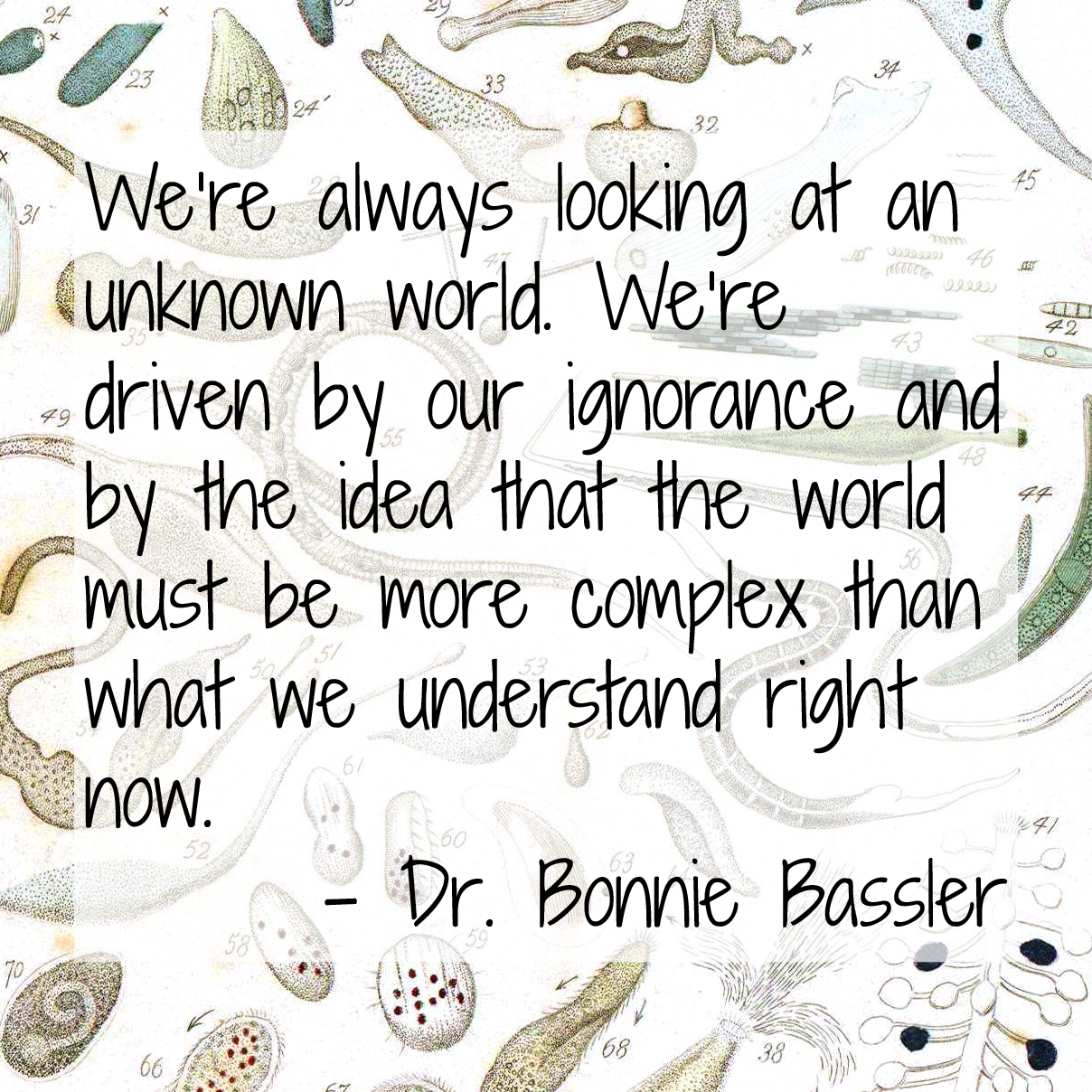
Saturday Morning Cartoons: Dying Stars, the glass half-full and seeing the invisible
I love cartoons. The only shows that I consistently watch are cartoons. Yes, I am a grown up. But there's just something about animation that I love. Sometimes the scenes can be awe-inspiring because somebody had to draw it. On a more relevant note, nothing beats visuals when I need to learn something. If you grew up in the 80s and 90s you remember Saturday morning cartoons. They were the early hours of Saturday when it was all wonderful animated adventures. In honor of that childhood glory here is a selection of science animations for your Saturday morning viewing.
Jessica Bromley Bartram: Exploring social issues through visual science fiction (Part 2)
 Hello and welcome to the second part of my interview with freelancer Jessica Bromley Bartram. In Part 1 we delved into the narrative and creative process behind her Ontario College of Art and Design (OCAD) thesis project "Rise and Fall of Cordycepts".
Jessica won the 2015 OCAD Graphic Design Medal for the project which uses a science fiction narrative to critically examine today's issues surrounding food availability, corporate marketing, and consumer culture. In this part of the interview we discuss how natural history has influenced her work, her future plans for "Rise and Fall of Cordycepts" and how her project fits into larger issues of science literacy and consumerism.
Hello and welcome to the second part of my interview with freelancer Jessica Bromley Bartram. In Part 1 we delved into the narrative and creative process behind her Ontario College of Art and Design (OCAD) thesis project "Rise and Fall of Cordycepts".
Jessica won the 2015 OCAD Graphic Design Medal for the project which uses a science fiction narrative to critically examine today's issues surrounding food availability, corporate marketing, and consumer culture. In this part of the interview we discuss how natural history has influenced her work, her future plans for "Rise and Fall of Cordycepts" and how her project fits into larger issues of science literacy and consumerism.